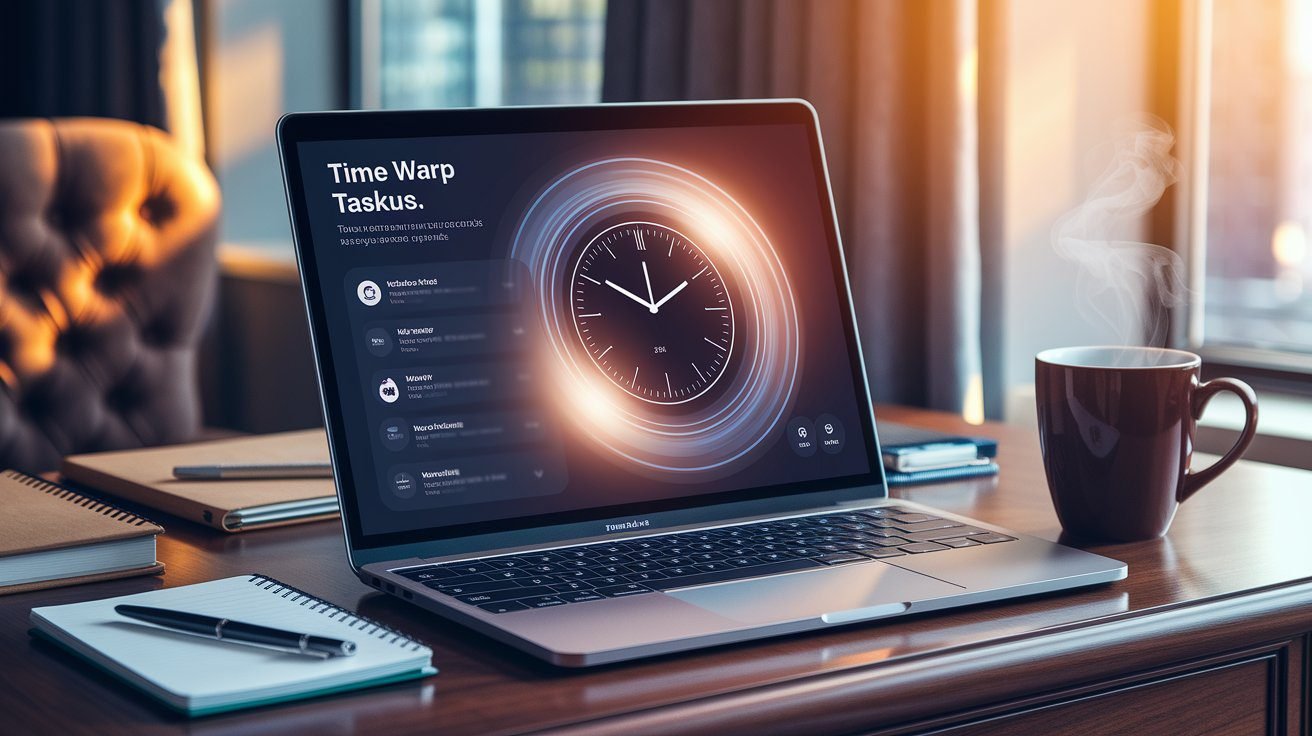
Time Warp TaskUs
Time Warp TaskUs is a name you may have heard in forums, job reviews, or inside company chats. Many workers use it each day to see schedules and clock in. Many articles describe it as a smart tool that helps teams plan and track work. In plain words, Time Warp TaskUs puts the workday into a clear, shared space. It gives staff and leaders the basic tools they need to run shifts and track hours. This article goes deep. I will explain what Time Warp TaskUs is, how it works, and what to expect. I will also share real ideas and clear examples so you can understand it fast. Read on to learn what matters most and what to watch out for.
What Time Warp TaskUs Looks Like to an Employee
For many teammates, Time Warp TaskUs is the first place they check each workday. They open a portal, see their shift, and confirm login times. The system often shows the day’s tasks and any notes from a manager. When something changes, the schedule updates so employees know right away. People say it feels like a familiar workplace dashboard. It is not a public app for customers. Instead, Time Warp TaskUs is an internal system for TaskUs staff and managers. That focused use keeps things private and tailored to the company’s day-to-day needs. If you work at TaskUs, you will meet it early in your onboarding.
Why TaskUs Uses a Tool Like Time Warp TaskUs
Large teams need a shared system to avoid chaos. Time Warp TaskUs helps by centralizing schedules, time entries, and simple reports. This saves managers time and helps leaders see when teams are short. It reduces manual notes and email tags. The tool helps keep staffing reliable. Good scheduling means clients get steady service. That matters for a company that supports many global customers. Time Warp TaskUs supports those operational needs by giving a single window into who’s working and when. The result is smoother handoffs and fewer surprise gaps.
Common Features You Can Expect from Time Warp TaskUs
Expect a few standard features in Time Warp TaskUs. You will likely find a calendar view of shifts, clock-in and clock-out options, and basic attendance logs. Supervisors can usually see who is signed in. Some versions include simple dashboards that show active staff and time totals. Think of it as the workplace hub for time and attendance. While external articles sometimes add extra bells, most core functions center on schedule and time tracking. These features match how large teams keep work flowing without extra paperwork or manual spreadsheets.
Where Public Info Stops and Internal Use Begins
Because Time Warp TaskUs is an internal platform, public details are limited. TaskUs does not broadly publish product pages for Time Warp as if it were a customer offering. That means outside writers often rely on employee notes or small blogs to describe the tool. You can find login portals and internal pages, but full technical papers or official manuals are not public. This is normal for a company tool used only by staff. Still, the lack of public specs means outside claims about advanced AI features or full automation should be read with care. Stick to verified facts when making decisions.
How Time Warp TaskUs Helps Managers in Real Terms
Managers use Time Warp TaskUs to reduce small, daily problems. They check who is available for a shift. They run quick reports on late arrivals or missed clock-ins. They can patch short staffing by moving team members or asking for volunteers. The tool helps managers do real, quick fixes without long email chains. In practice, this leads to fewer disruptions for customers and faster responses to issues. A manager’s day becomes about solving the real problems, not hunting for who is working. That is the everyday value of Time Warp TaskUs.
A Simple Comparison Table: Time Warp TaskUs vs Standard Workforce Tools
Below is a short, clear table that shows how Time Warp TaskUs compares with generic workforce management systems you might know. This table helps you see where Time Warp fits.
| Function | Time Warp TaskUs (internal) | Typical Workforce Tool (public) |
| Access | Internal staff only | Public customers and buyers |
| Focus | Scheduling and time tracking | Scheduling, payroll, forecasting |
| Public docs | Minimal or private | Extensive public docs and demos |
| Integrations | Internal systems likely | Wide third-party integrations |
| Audience | Company employees | HR teams and external buyers |
This table shows that Time Warp TaskUs is mainly for internal needs. Public workforce tools often aim to sell to many buyers and include extra modules beyond core scheduling.
Is Time Warp TaskUs “AI-Powered”? Sorting Fact from Hype
Some online posts call Time Warp TaskUs an “AI” tool that predicts staffing and automates tasks. Others simply describe it as a solid scheduling platform. The safe view is this: Time Warp TaskUs clearly supports time and scheduling tasks. However, public evidence for advanced AI features is thin. Many external writeups mix features and marketing ideas. Until TaskUs publishes an official technical write-up, treat AI claims as possible but not proven. In short, expect reliable scheduling. Expect AI only if you see it confirmed by reliable sources or by using the system inside the company.
Real Examples from Workplaces Like TaskUs
Imagine a small crew running support for a global brand. On a busy day, some team members will log in late. Others will need shift swaps. With Time Warp TaskUs, a supervisor spots the gap in minutes. They contact a nearby teammate to fill the shift. The client’s queue does not pile up. That real example is the everyday benefit. It is not glamorous. But it is the reason many operations run well. For staff, the tool removes guesswork and keeps expectations clear. For leaders, it lowers the load of daily firefighting. This practical help is where Time Warp TaskUs earns its value.
Limitations and Common Complaints to Know
Every internal tool has limits, and Time Warp TaskUs is no exception. Some employees report friction when schedules change often. Others point to small UX quirks that slow down routine tasks. On public review platforms, you can find posts that mention daily edits or confusing entries. These are normal in large systems and often improve with updates. The key is to ask how easy it is to get help and how the company responds to issues. A tool is only as good as the support behind it.
How to Learn Time Warp TaskUs Fast — Tips That Work
If you will use Time Warp TaskUs soon, start with the basics. Learn where your shifts show up. Practice clocking in and out. Note how your manager posts updates. Keep one short note of common steps you do daily. When a change happens, read the short update message instead of guessing. Finally, ask for a quick demo from your supervisor. A five-minute walkthrough saves many minutes later. These simple steps reduce errors and make the tool feel natural. They work in almost any internal portal, including Time Warp TaskUs.
Security and Privacy: What Employees Should Expect
Internal systems must protect staff data. Time Warp TaskUs uses secure login systems designed for company use. That keeps payroll and attendance data private. If you have concerns, the right step is to file an internal ticket with IT or HR. TaskUs maintains internal pages and security contacts for such issues. Good security practice means only authorized staff access the portal, and personal data is handled within company rules. If you see something odd, report it quickly through the official channels.
How Time Warp TaskUs Fits into the Broader Work Culture
Tools reflect culture. Time Warp TaskUs is part of how TaskUs organizes its teams. The portal supports transparency about schedules. It also shows the company’s drive for speed and reliability. When staff know their schedule and the rules, they can focus on helping customers. The tool fits a culture that values clear roles and steady service. It is not a silver bullet. But it is a practical tool that matches a company that runs global operations and needs predictable staffing.
Future Moves: What Could Come Next for Time Warp TaskUs
If TaskUs invests more in the portal, we might see better analytics and smarter scheduling tools. That could include smarter shift prediction or smoother integrations with HR and learning systems. Some external articles speculate about more automation and better dashboards in time. But those are projections. For now, expect steady updates that fix pain points and improve speed. A practical future step would be clearer help guides and faster in-app support. These small changes often make the biggest difference for everyday users.
FAQs
- What exactly is Time Warp TaskUs?
Time Warp TaskUs is an internal portal used by TaskUs for scheduling, time tracking, and basic workforce visibility. Only staff and authorized managers can access it. - Can outside clients use Time Warp TaskUs?
No. Time Warp TaskUs is not a public product. It is for internal operations and staff use only. - Does Time Warp TaskUs use AI for planning?
Public evidence for advanced AI in Time Warp TaskUs is limited. Some sources mention smart features, but official confirmation is sparse. Treat AI claims with caution unless verified. - How do I get help with Time Warp TaskUs issues?
File an internal support ticket or contact your HR or IT team. The portal usually links to help pages and security contacts. - Is Time Warp TaskUs safe to use?
Yes, it uses secure corporate login systems. If you see privacy issues, report them through official channels immediately.
Conclusion
Time Warp TaskUs is a useful, internal scheduling and time tool. It helps teams see shifts, track hours, and smooth daily operations. It is not a public product you can buy. Many online writeups add bright claims.
Time Warp TaskUs supports TaskUs staff and managers in reliable ways. If you use it, learn the basics and keep asking for small improvements. For leaders, focus on quick fixes that reduce user friction. A steady, reliable tool is more valuable than a flashy one. Use Time Warp TaskUs as a tool to make work clearer and more predictable.
About the Author