Introduction
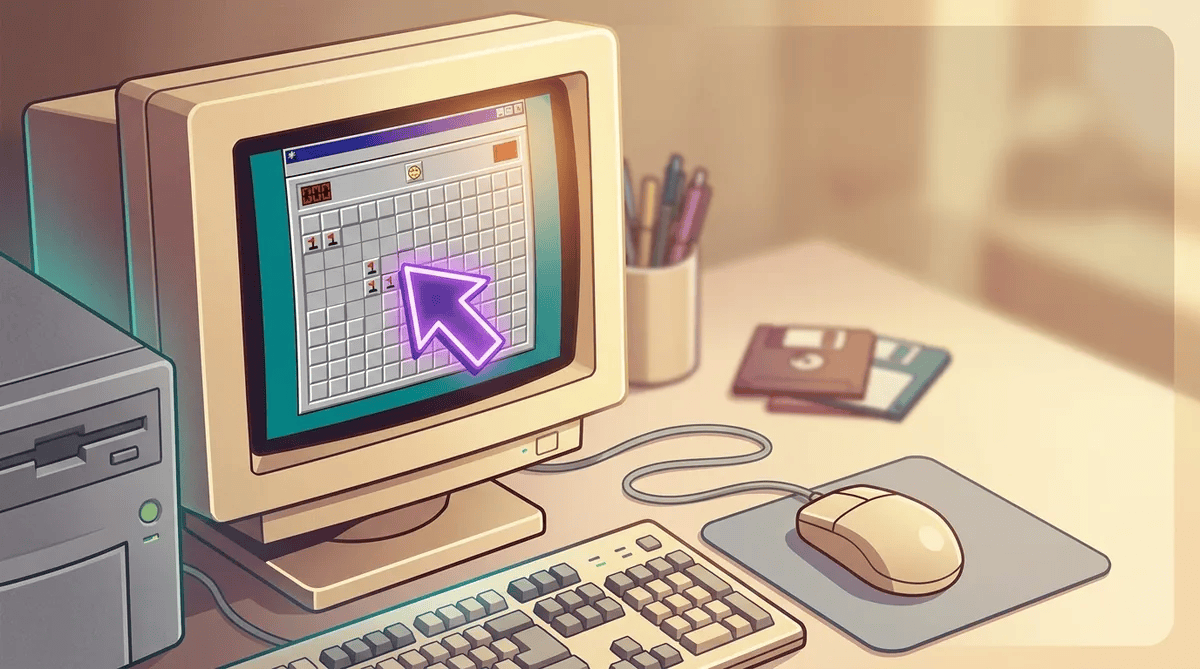
Minesweeper is a classic computer puzzle that has entertained players for decades. Its simple grid hides dangerous mines and challenges players to think carefully. Many people remember playing it on older Windows computers. However, who invented Minesweeper is a question that reveals a fascinating history of computer gaming.
The familiar Microsoft Windows version is credited to Robert Donner and Curt Johnson. However, similar minefield puzzle games existed before Microsoft’s release. These earlier games helped shape the ideas behind this popular computer classic.
Who Invented Minesweeper?
When people ask who invented Minesweeper, they usually mean the famous Windows version. Robert Donner and Curt Johnson created the version associated with Microsoft. Their work introduced the familiar gameplay to millions of computer users.
However, the game’s history includes earlier puzzle designs. Ian Andrew created Mined-Out in 1983 for the ZX Spectrum. It also challenged players to navigate dangerous grids containing hidden mines.
Therefore, understanding who invented Minesweeper requires looking at both the earlier puzzle genre and Microsoft’s well-known version.
Who Were Robert Donner and Curt Johnson?
Robert Donner and Curt Johnson are recognized for developing the classic Microsoft Windows version. Their design combined numbered clues, hidden mines, and flags in an accessible format.
Their work helped answer the question of who invented Minesweeper in its familiar Windows form. The game became an important part of early personal computing because players could access it without purchasing a separate game.
Biography Table of Minesweeper’s Creators
| Detail | Information |
|---|---|
| Famous game | Minesweeper |
| Windows version creators | Robert Donner and Curt Johnson |
| Associated company | Microsoft |
| Earlier related game | Mined-Out |
| Creator of Mined-Out | Ian Andrew |
| Mined-Out release year | 1983 |
| Windows 3.1 release year | 1992 |
| Game category | Logic puzzle |
| Main objective | Reveal safe squares |
| Main skills | Logic and deduction |
This table helps explain who invented Minesweeper and how earlier games influenced its development. It also separates the creators of the familiar Windows version from the developers of related puzzle games.
What Was Minesweeper Like Before Microsoft?
Before Microsoft’s version appeared, developers had already explored games involving hidden mines and dangerous grids. Mined-Out was an important early example.
Released in 1983, it required players to navigate a minefield using available clues. This earlier design helps explain who invented Minesweeper as a broader historical question rather than a simple matter of one person’s name.
When Did Microsoft Minesweeper First Appear?
Microsoft Minesweeper became widely known through Windows 3.1, released in 1992. Its inclusion introduced the puzzle to a huge audience of computer users.
People researching who invented Minesweeper often associate the game with Microsoft because so many players first discovered it on Windows computers.
Why Did Microsoft Include Minesweeper in Windows?
Minesweeper offered entertainment while helping users practice mouse controls. Players clicked squares, marked suspected mines, and learned to interact with a graphical interface.
This practical connection made the game memorable. It also explains why questions about who invented Minesweeper remain popular among people interested in early computer history.
How Does Minesweeper Work?
Minesweeper displays a grid containing covered squares. Some hide mines, while others are safe. Players must uncover every safe square without triggering a mine.
Numbers indicate how many mines touch a particular square, including diagonally adjacent squares. Players use these clues to make logical decisions.
Learning these rules adds context to who invented Minesweeper, because the game’s success depended on making a simple concept challenging and enjoyable.
Why Did Minesweeper Become So Popular?
Minesweeper became popular because it was easy to learn and offered endless opportunities to practice. Players did not need expensive equipment or advanced gaming skills.
Its inclusion in Windows made it widely accessible. Many people discovered the game during school, work, or short computer breaks.
The question who invented Minesweeper continues to interest players because the game became such a familiar part of computing history.
What Skills Can You Learn From Minesweeper?
Minesweeper encourages logical thinking, careful observation, and pattern recognition. Players study numbers and compare possible moves before opening another square.
The game also teaches patience. Rushing can lead to mistakes, while careful reasoning often reveals safer choices.
These features help explain why people researching who invented Minesweeper often become interested in its design and educational value.
How Has Minesweeper Changed Over Time?
Minesweeper has appeared on desktop computers, websites, and mobile devices. Modern versions may offer different board sizes, themes, hints, and difficulty levels.
Although the presentation has changed, the central rules remain familiar. Players still study numbered clues and avoid hidden mines.
Exploring these developments provides a broader understanding of who invented Minesweeper and how the original idea influenced later versions.
Is Minesweeper Still Available Today?
Yes, many versions remain available for modern devices. Players can find Minesweeper-style puzzles through browser games, desktop applications, and mobile apps.
Before downloading a game, check its publisher and user reviews. Choose a trusted source to avoid unnecessary software risks.
The continued availability of the game keeps interest in who invented Minesweeper alive among new generations of players.
What Is the Difference Between Classic and Modern Minesweeper?
Classic Minesweeper uses a simple grid and traditional controls. Modern editions may add animations, colorful themes, touch-screen support, and additional game modes.
Despite these differences, the main challenge remains unchanged. Players must use clues to identify safe squares.
This lasting design is another reason people ask who invented Minesweeper and how the game has remained relevant for so long.
Why Does Minesweeper Remain a Gaming Classic?
Minesweeper remains memorable because it combines simple rules with difficult decisions. Each board challenges players to study information and choose their next move carefully.
The game also connects many people with their first experiences of personal computers. Its straightforward design continues to attract puzzle fans.
Understanding who invented Minesweeper helps explain the contributions that turned a simple puzzle concept into a lasting gaming classic.
Conclusion
The familiar Microsoft Windows version is credited to Robert Donner and Curt Johnson. Earlier games, including Ian Andrew’s Mined-Out, explored similar minefield puzzle ideas before Microsoft’s version became widely known.
Now you know who invented Minesweeper and why its history involves more than one game. Its simple rules, logical challenges, and accessibility helped it become a lasting computer classic.
Have you played Minesweeper on an older computer? Share your memories and favorite version with other puzzle fans.
Frequently Asked Questions (FAQs)
1. Who invented Minesweeper?
The familiar Microsoft Windows version was developed by Robert Donner and Curt Johnson. Earlier games explored similar minefield puzzle concepts.
2. Did Microsoft invent Minesweeper?
Microsoft popularized the Windows version, but related games existed earlier. Mined-Out, created by Ian Andrew in 1983, was one notable predecessor.
3. When was Minesweeper released?
Microsoft Minesweeper became widely known with Windows 3.1 in 1992.
4. Why was Minesweeper included in Windows?
It provided entertainment and helped users practice mouse controls in the graphical Windows environment.
5. Can you still play Minesweeper today?
Yes. Modern versions are available for browsers, desktop computers, and mobile devices.
6. Is Minesweeper based on a real minefield?
It uses hidden mines as a puzzle theme. Its numbered clues and grid are designed for logical gameplay rather than realistic minefield simulation.
About the Author